Unraveling Ancient Egypt: A Journey into Hieroglyphs
Category : |
Sub Category : Posted on 2023-10-30 21:24:53
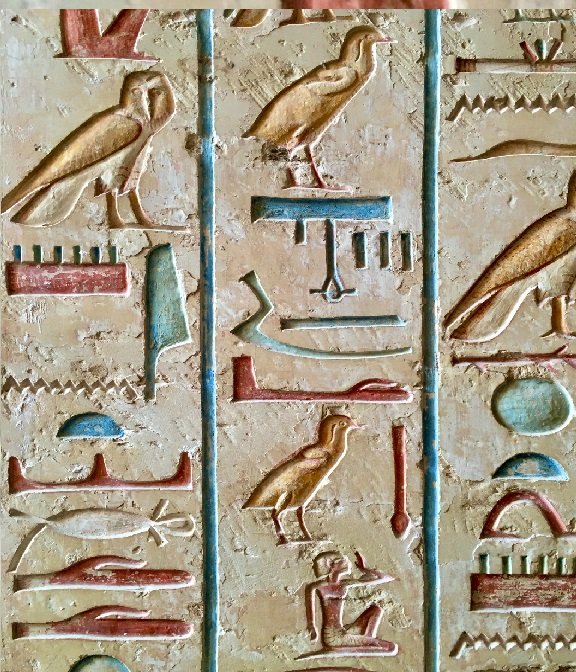
Introduction: Ancient Egypt, with its majestic pyramids and mystical pharaohs, has always mesmerized people. One of the fascinating aspects of this ancient civilization lies in the intricate hieroglyphic script they used for writing. In this blog post, we will delve into the world of ancient Egyptian hieroglyphs, exploring their history, significance, and the process of deciphering these cryptic symbols. 1. Origins of Hieroglyphs: Hieroglyphs were developed around 3200 BCE and served as the primary writing system in ancient Egypt for more than 3,500 years. The word hieroglyph comes from the Greek words "hieros" meaning sacred and "glyphein" meaning to carve. The script was predominantly carved or painted onto stone walls, papyrus scrolls, and various other mediums. 2. The Writing System: Hieroglyphs encompass a vast array of symbols, including ideograms, phonograms, and determinatives. Ideograms represented whole words or ideas, while phonograms represented individual sounds. Determinatives were placed at the end of words to provide context. This complex combination of symbols made hieroglyphs a challenging system to decipher. 3. The Rosetta Stone: The decipherment of hieroglyphs owes much to the discovery of the Rosetta Stone in 1799. This ancient artifact, a slab of black basalt inscribed with a royal decree in three scripts - hieroglyphic, demotic, and Greek - provided a key breakthrough. French scholar Jean-Franois Champollion successfully deciphered the hieroglyphs by comparing them to the known Greek translation. 4. Understanding Hieroglyphs: Decoding hieroglyphs requires a combination of linguistic and archaeological knowledge. Scholars use context, grammar, and phonetic clues to interpret the meaning of individual symbols and the overall text. Studying ancient Egyptian culture, religion, and history also helps in understanding the significance behind the words. 5. Hieroglyphic Phrases and Texts: Ancient Egyptian hieroglyphs were used in a variety of contexts, from monumental inscriptions on temples and tombs to everyday written records. Famous examples include the Pyramid Texts, Book of the Dead, and numerous royal decrees and hymns. These texts offer valuable insights into the religious beliefs, rituals, and political ideologies of ancient Egypt. 6. Legacy and Revival: Although hieroglyphs eventually fell out of use by the fourth century CE, their influence remained. The knowledge of hieroglyphics was guarded by a select few until the 19th century when the decipherment took place. Today, hieroglyphs continue to captivate scholars, artists, and enthusiasts around the world. Their beauty and mystery have inspired various art forms, literature, and even modern-day tattoos. Conclusion: The ancient Egyptian hieroglyphic script holds a significant place in human history and remains an enduring symbol of the rich cultural heritage of ancient Egypt. Unlocking the secrets of hieroglyphs has provided us invaluable insights into this fascinating civilization. As we delve deeper into deciphering their meaning, it is a testament to the enduring power of human curiosity and the importance of preserving the legacies of our ancestors. visit: http://www.tocairo.com


