Unveiling the Mesmerizing Melodies: Exploring Traditional Egyptian Music
Category : |
Sub Category : Posted on 2023-10-30 21:24:53
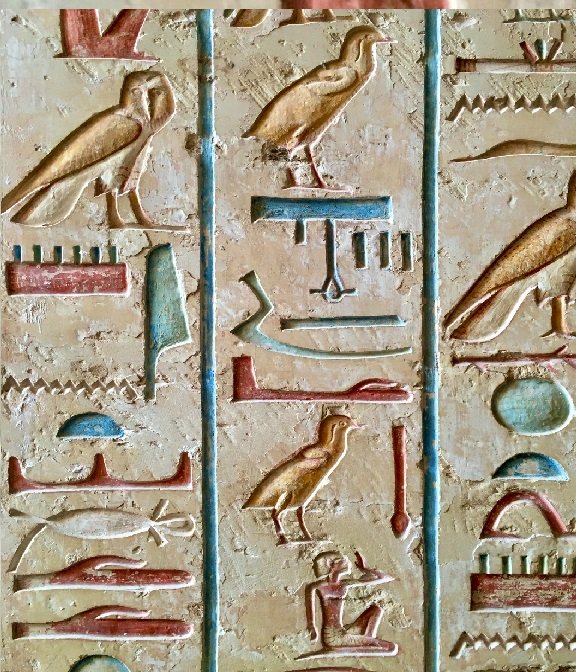
Introduction: Egypt, a land rich in history and ancient marvels, boasts a vibrant and captivating musical tradition that echoes through the ages. From the banks of the Nile to the bustling streets of Cairo, the sounds of traditional Egyptian music tell stories of love, folklore, and cultural identity. Join us as we delve into the enchanting world of traditional Egyptian music, embracing its unique rhythms, instruments, and influences. 1. A Glimpse into History: Traditional Egyptian music dates back thousands of years, with traces of its origins found in ancient Egyptian society. It has been heavily influenced by various civilizations, including the Pharaohs, Ancient Greece, Persia, and later, the Arab and Ottoman Empires. Despite the passage of time, the mystical allure and distinct characteristics of traditional Egyptian music have endured, making it a window into the country's storied past. 2. Maqam System: The Heartbeat of Egyptian Music At the core of traditional Egyptian music lies the Maqam system. Similar to the scales in Western music, Maqam represents a set of melodic modes that define the emotional character of a musical piece. Each Maqam has its distinct series of notes, intervals, and a specific mood associated with it. This system allows musicians to improvise, creating a unique experience for every performance. 3. Key Instruments: An essential aspect of traditional Egyptian music is the rich variety of instruments utilized to produce intricate melodies. The Oud, a pear-shaped string instrument, takes center stage in Egyptian music, setting the tone and providing beautiful melodies. Other instruments like the Qanun (a stringed instrument similar to a zither), Nay (a reed flute), and the Riq (a tambourine-like instrument) work in harmony to create a lush and mesmerizing sound palette. 4. Egyptian Folklore in Music: One cannot explore traditional Egyptian music without becoming acquainted with its deep connection to folklore and storytelling. Musical pieces often narrate tales of love, mythology, and everyday life. For centuries, these traditional songs have been passed down through oral traditions, carrying the spirit of Egyptian culture from generation to generation. 5. Dance and Celebration: Traditional Egyptian music and dance are inseparable companions, breathing life into cultural and celebratory events. The rhythms and melodies inspire captivating movements, with the iconic belly dance often performed to the beats of tabla drums and sharp melodies of the Oud. These joyous expressions of music and dance create a captivating spectacle that embodies the essence of Egyptian culture. Conclusion: The evocative melodies, ancient rhythms, and expressive folklore of traditional Egyptian music offer a remarkable glimpse into the rich tapestry of Egyptian culture. Immersing oneself in this enchanting musical tradition reveals not only the diversity of Egypt but also the deep-rooted connections between music, history, and the expression of human emotions. By embracing and celebrating traditional Egyptian music, we honor the legacy of this enduring art form, keeping it alive for generations to come. Take a deep dive into this topic by checking: http://www.borntoresist.com If you are enthusiast, check this out http://www.svop.org also this link is for more information http://www.culturepolitics.com also visit the following website http://www.qqhbo.com To find answers, navigate to http://www.albumd.com For an in-depth analysis, I recommend reading http://www.tocairo.com Get a well-rounded perspective with http://www.mimidate.com More about this subject in http://www.keralachessyoutubers.com For an in-depth examination, refer to http://www.cotidiano.org


