Exploring the Wonders of Ancient Egypt: Pyramids and Giza
Category : |
Sub Category : Posted on 2023-10-30 21:24:53
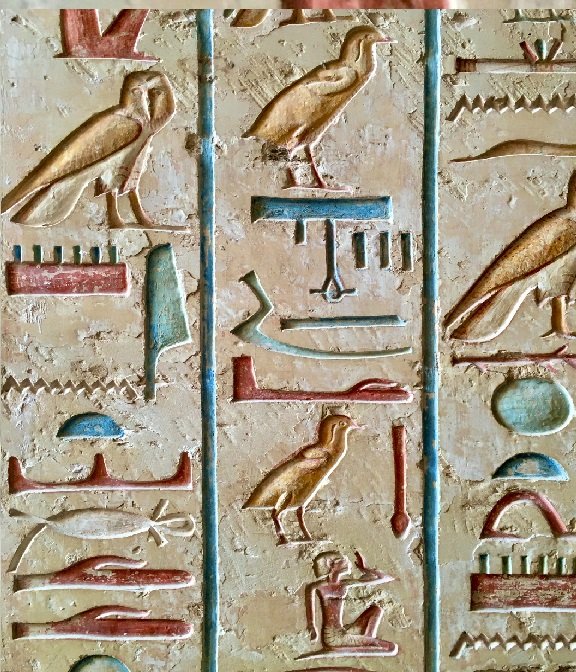
Egypt, a land replete with historical and cultural treasures, is home to some of the most iconic symbols of ancient civilization the pyramids of Giza. Situated on the outskirts of Cairo, these mesmerizing structures have stood the test of time, capturing the imagination of people from all corners of the globe. The pyramids of Giza were built during the Old Kingdom period of ancient Egypt, over 4,500 years ago. While there are numerous pyramids scattered across the country, the three pyramids of Giza the Great Pyramid of Khufu, the Pyramid of Khafre, and the Pyramid of Menkaure are the most well-known and awe-inspiring. The Great Pyramid of Khufu, also known as the Pyramid of Cheops, is the largest of the three and the only surviving wonder of the ancient world. It was constructed as the final resting place for Pharaoh Khufu, who ruled during the 26th century BC. Standing at an impressive height of 481 feet, it held the title of the tallest man-made structure in the world for over 3,800 years. Adjacent to Khufu's pyramid is the Pyramid of Khafre, constructed for Pharaoh Khafre, Khufu's son. This pyramid appears taller than Khufu's due to its elevated position on the Giza plateau. Additionally, the Pyramid of Menkaure, the smallest of the three, was built for Pharaoh Menkaure, who ruled during the 25th century BC. The pyramids were constructed using millions of limestone blocks, meticulously carved and placed to create the perfect geometric shapes we see today. It is a testament to the advanced engineering and architectural skills of the ancient Egyptians, who constructed these massive structures without the aid of modern machinery. One of the mysteries that still baffles researchers and visitors alike is how the ancient Egyptians managed to transport such large stones from quarries across the Nile River and assemble them so precisely. Theories range from the use of sledges and ramps to the assistance of extraterrestrial beings, yet no definitive answer has been found. Beside the pyramids stands another iconic symbol of ancient Egypt the Sphinx. Carved out of a single block of limestone, this enigmatic statue portrays the body of a lion with the head of a human, thought to represent Pharaoh Khafre. It measures 66 feet in height and stretches over 240 feet in length, making it one of the largest monolithic statues in the world. Exploring the pyramids and the Sphinx allows visitors to delve into the intriguing history and culture of ancient Egypt. Inside the pyramids, visitors can witness the intricate burial chambers and grand corridors, giving a glimpse into the religious beliefs and rituals of the pharaohs. While the pyramids of Giza continue to stand tall, they have not escaped the ravages of time. Over the centuries, looting and erosion have taken their toll on these magnificent structures, prompting conservation efforts to preserve them for future generations. In conclusion, the pyramids of Giza represent an ancient civilization's pursuit of eternal life and architectural perfection. They continue to fascinate and amaze us with their grandeur, leaving us in awe of the achievements and capabilities of the ancient Egyptians. A visit to these monumental structures is a journey through time, allowing us to connect with a rich cultural heritage that has left an indelible mark on human history. To get all the details, go through http://www.culturepolitics.com Have a look at http://www.tocairo.com To see the full details, click on: http://www.mimidate.com


