Exploring the Rich History of Egyptian Pharaohs and their Cultural Significance
Category : |
Sub Category : Posted on 2023-10-30 21:24:53
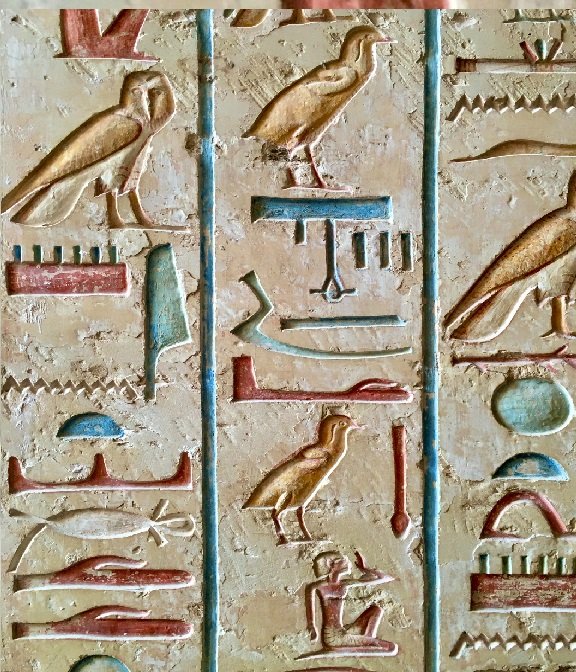
Introduction: Egyptian culture, with its remarkable civilization and awe-inspiring landmarks, has captivated the world for centuries. At the heart of this ancient civilization lies the intriguing history of Egyptian pharaohs. From Tutankhamun to Ramesses II, these rulers left an indelible mark on Egyptian culture, shaping the country's identity and influencing the world. In this blog post, we will delve into the fascinating world of Egyptian pharaohs and their cultural significance. 1. Ancient Egypt and the Rise of Pharaohs: To understand the context of pharaohs' importance, it's essential to explore the history of Ancient Egypt. Egypt's civilization flourished along the Nile River from around 3150 BCE to 31 BCE. The pharaohs, believed to be divine rulers, held absolute power and were central figures in ancient Egyptian society. They were not just political leaders but also religious figures, responsible for maintaining the cosmic order and serving as intermediaries between the gods and their people. 2. The Divine Kingship: One of the defining features of Egyptian pharaohs was their association with divine kingship. Pharaohs were believed to be the earthly embodiments of gods, specifically Horus, the falcon-headed god of kingship. This divine status bestowed upon them immense authority and reverence from their subjects. The concept of divine kingship shaped various aspects of Egyptian culture, from religious rituals and architecture to art and burial practices. 3. Pharaohs and Pyramid Construction: Egyptian pharaohs built monumental structures such as pyramids, which symbolized their divine power and served as their tombs. The Great Pyramid of Giza, built for Pharaoh Khufu, is one of the Seven Wonders of the Ancient World. These architectural marvels not only showcased the pharaohs' wealth and status but also served as a testament to their everlasting legacy. 4. Legacy of Tutankhamun: Perhaps one of the most famous pharaohs is Tutankhamun, better known as King Tut. Though his reign was relatively short-lived, Tutankhamun gained global recognition due to the discovery of his remarkably intact tomb in 1922. The treasures found within his tomb shed light on the opulence of Ancient Egyptian culture and became a symbol of Egypt's rich history. 5. Cultural Contributions and International Influence: Beyond their divine status, pharaohs made significant cultural contributions that continue to shape our understanding of ancient history. They patronized the arts, fostering the creation of magnificent sculptures, intricate paintings, and ornate jewelry. These art forms played a crucial role in documenting historical events, myths, and the multifaceted beliefs of the Egyptian people. Egyptian pharaohs also embarked on ambitious military campaigns, expanding Egypt's influence and establishing diplomatic ties with neighboring states. Their diplomatic activities and trade relations helped forge connections with various ancient civilizations, enriching Egypt's cultural exchange and leaving an enduring legacy on the global stage. Conclusion: The legacy of Egyptian pharaohs is an integral part of ancient history, providing invaluable insights into the culture and society of Ancient Egypt. From their divine kingship to their architectural marvels and cultural contributions, pharaohs played pivotal roles in shaping Egyptian identity and leaving an indelible mark on the world. The study of Egyptian pharaohs continues to captivate scholars and enthusiasts alike, unlocking new layers of understanding about this remarkable civilization that has fascinated us for millennia. Click the following link for more http://www.culturepolitics.com For a different take on this issue, see http://www.tocairo.com Want to learn more? Start with: http://www.mimidate.com


