Exploring Egypt's Rich Cultural Heritage and Relations with Arabic Countries
Category : |
Sub Category : Posted on 2023-10-30 21:24:53
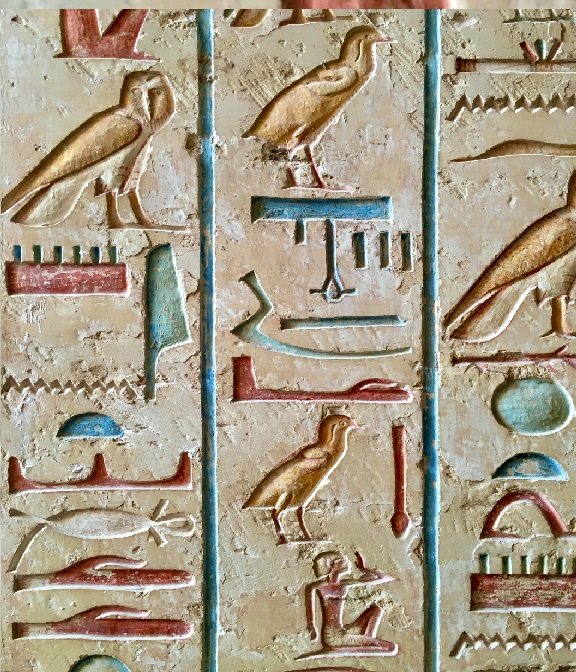
Introduction: Egypt is a country steeped in history, with a cultural heritage that spans thousands of years. From the majestic pyramids to the banks of the Nile River, Egypt's allure has fascinated people from around the world. In addition to its historical significance, Egypt also shares deep cultural and historical ties with other Arabic countries. In this blog post, we will explore Egypt's rich cultural heritage and its relations with its neighboring Arabic nations. 1. Cultural Diversity in Egypt: Egyptian culture is a tapestry woven from countless civilizations that have shaped the country over the centuries. From the ancient Pharaohs to the Arab conquest, and the Ottoman and British rule, each era has left its mark on Egyptian culture. Egyptian society is a harmonious blend of ancient traditions and modern influences, making it a unique cultural destination. The people of Egypt are known for their warmth, hospitality, and their strong sense of community. 2. Ancient Egypt and its Influence: Egypt's ancient civilization, best known for its pharaohs and pyramids, has had a profound impact on the history and culture of the world. The legacy of ancient Egypt can be seen not only in the country's landmarks but also in its literature, art, and religious practices. Egyptian mythology, for example, has influenced various ancient and modern cultures, including those of the Arabic countries. 3. Arabic Language and Islamic Influence: Egypt, like most Arabic countries, shares a common language - Arabic. The Arabic language, with its rich vocabulary and lyrical tones, is a unifying factor among these nations. Islam also plays a significant role in Egyptian culture, with the majority of Egyptians being Muslims. The influence of Islam is evident in Egypt's architecture, art, and daily life rituals. 4. Historical and Political Ties: In addition to cultural and linguistic ties, Egypt shares a long history of political relations with other Arabic countries. As one of the leading cultural, intellectual, and political centers in the Arab world, Egypt has played a significant role in shaping the region. Egypt has often been a key player in pan-Arab initiatives, hosting important summits, conferences, and cultural exchanges. 5. Economic Cooperation and Regional Integration: Egypt's relations with other Arabic countries go beyond cultural and historical ties. The country actively pursues economic cooperation and regional integration. Egypt is a member of various regional organizations, such as the Arab League and the Union of the Arab Maghreb, working towards strengthening unity and collaboration among Arab nations. 6. Tourism and Cultural Exchanges: Tourism is a vital element of Egypt's economy, attracting millions of visitors every year. Many visitors come from neighboring Arabic countries seeking to explore Egypt's historical treasures and experience its vibrant culture. Cultural exchanges between Egypt and other Arabic nations also contribute to fostering understanding and strengthening bonds among the countries. Conclusion: Egypt's rich cultural heritage and its relations with other Arabic countries make it a captivating destination for those seeking to explore the region's diverse history and traditions. From the remnants of ancient Egypt to the bustling streets of Cairo, Egypt offers a glimpse into a vibrant culture that has influenced the wider Arab world. Its historical and political ties with other Arabic countries further underline the country's significance in the region. By cherishing its cultural heritage and maintaining strong bonds with its neighbors, Egypt continues to be a cultural powerhouse in the Arab world. Find expert opinions in http://www.onlinebanat.com For more information: http://www.culturepolitics.com For the latest insights, read: http://www.mimidate.com


