Unraveling the Mysteries of Ancient Egyptian Hieroglyphs
Category : |
Sub Category : Posted on 2023-10-30 21:24:53
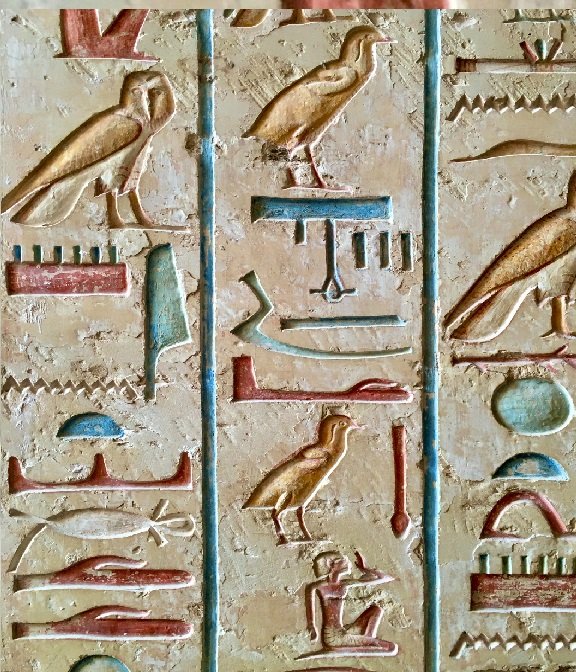
Intro: The ancient Egyptian civilization, renowned for its majestic pyramids and pharaohs, left behind a written record known as hieroglyphs. These unique characters etched into the walls of magnificent temples and tombs have fascinated historians, archaeologists, and enthusiasts for centuries. In this blog post, we will delve into the complex world of ancient Egyptian hieroglyphs and explore their significance in unraveling the mysteries of this remarkable culture. Discovering the Hieroglyphs: Hieroglyphs, translating to "sacred carvings" in Greek, were first discovered and deciphered by French scholar Jean-Franois Champollion in the early 19th century. Prior to this groundbreaking moment, hieroglyphs were merely regarded as ornate decorations without any understanding of their true meaning. Champollion's work provided a breakthrough, opening the doors to deciphering the hidden stories and knowledge preserved by the ancient Egyptians. Writing System and Symbolism: The hieroglyphic writing system was a unique combination of pictograms and ideograms. It employed a mix of images representing objects, ideas, sounds, and even abstract concepts. These characters were arranged in various ways, with some hieroglyphs spelling out words, while others conveyed entire phrases or sentences. Understanding the context and the complex grammar of the ancient Egyptian language was crucial in deciphering the messages conveyed by the hieroglyphs. Divine Language and Magical Power: To the ancient Egyptians, hieroglyphs held great significance beyond their practical use as a writing system. They believed that hieroglyphs were a divine language given to them by the gods, imbued with magical power. Carving hieroglyphs on temples, tombs, and objects was seen as a way to invoke the favors and protection of the gods, both in this life and the afterlife. The intricate inscriptions on the walls of pyramids and burial chambers were intended to guide the deceased in their journey to the realm of the gods. Hieroglyphic Inscriptions and Their Purposes: Hieroglyphs were not limited to religious texts, but were also used in administrative records, historical accounts, literature, and medical texts. These inscriptions provided invaluable insights into the everyday lives of the ancient Egyptians, their beliefs, rituals, and their profound understanding of various sciences, including astronomy, mathematics, and medicine. The Rosetta Stone and Champollion's Breakthrough: The Rosetta Stone, discovered in 1799, played a crucial role in deciphering hieroglyphs. This ancient artifact contained inscriptions in three different scripts: ancient Greek, Demotic, and hieroglyphs. By comparing the Greek and Demotic texts, Champollion was able to identify key phonetic values, which ultimately helped him decode the hieroglyphs. This achievement marked a turning point in our understanding of ancient Egyptian culture, enabling us to learn about their history and literature directly from the source. Legacy and Impact: The decipherment of hieroglyphs paved the way for an enhanced understanding of ancient Egyptian culture and helped rewrite history. It revealed the extraordinary achievements in art, architecture, science, and governance of this civilization that flourished over 4,000 years ago. Hieroglyphs continue to captivate scholars and enthusiasts from all over the world, offering a portal into the rich history and unique worldview of the ancient Egyptians. Conclusion: The ancient Egyptian hieroglyphs, once shrouded in mystery, now stand as a testament to the ingenuity and creativity of this remarkable civilization. Through the dedication of scholars like Champollion, we have unlocked the secrets of their written language, gaining valuable insights into their beliefs, daily life, and achievements. The power of hieroglyphs lies not only in their artistic beauty but also in the stories and knowledge they convey, perpetuating the legacy of the ancient Egyptians for generations to come. Have a look at http://www.culturepolitics.com Want to know more? Don't forget to read: http://www.tocairo.com Have a visit at http://www.mimidate.com


