Decoding Ancient Egyptian Hieroglyphs with Computer Vision
Category : |
Sub Category : Posted on 2023-10-30 21:24:53
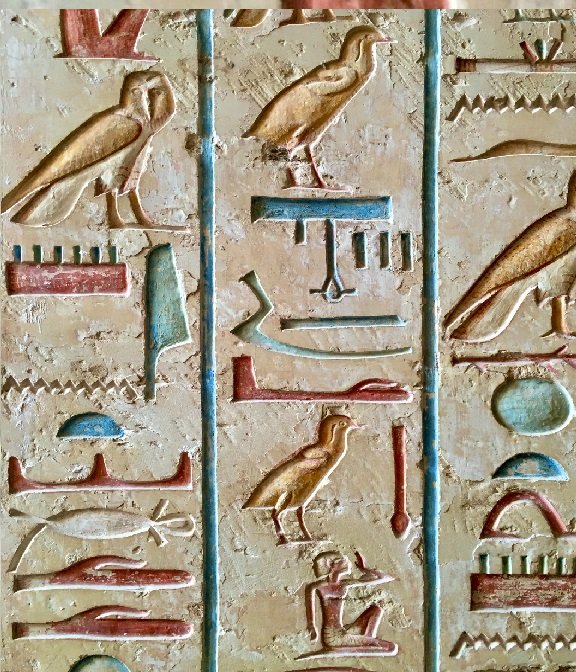
Introduction: Ancient Egyptian hieroglyphs have fascinated researchers and historians for centuries. These intricate symbols were used by the Egyptians to write various texts, ranging from historical records to religious scriptures. However, deciphering hieroglyphic texts has proved to be a challenging task due to the complex nature of the symbols. Luckily, advancements in computer vision technology have opened up new possibilities in the field of Egyptology. In this article, we will delve into the world of computer vision and explore how this technology is being utilized to decode ancient Egyptian hieroglyphs. Understanding Ancient Egyptian Hieroglyphs: Hieroglyphs are a system of writing that involves using symbols to represent sounds, ideas, and objects. These symbols were typically carved or painted onto various surfaces such as tombs, temples, and papyri. Deciphering hieroglyphs requires a deep understanding of the language and the ability to recognize and interpret the thousands of different symbols used in the ancient Egyptian writing system. The Role of Computer Vision: Computer vision is a branch of artificial intelligence that involves teaching computers to interpret and understand visual data. By utilizing advanced algorithms and neural networks, computer vision algorithms can identify patterns and objects in images or videos. This technology has proven to be highly effective in a wide range of applications, including facial recognition, object detection, and autonomous vehicles. Applying Computer Vision to Hieroglyphic Texts: The application of computer vision to ancient Egyptian hieroglyphs involves developing algorithms that can identify and categorize the different symbols used in the writing system. Researchers are creating large datasets of hieroglyphic symbols and training machine learning models to recognize and classify these symbols accurately. Once the symbols are recognized, computer vision algorithms can automatically transcribe and analyze the hieroglyphic texts. This process significantly speeds up the deciphering process and allows researchers to gain deeper insights into the ancient Egyptian civilization. Challenges and Limitations: While computer vision technology holds great promise in decoding ancient Egyptian hieroglyphs, it does come with its share of challenges and limitations. One primary challenge is the sheer number of hieroglyphic symbols, which exceeds 7,000. Training machine learning models to accurately identify each symbol requires extensive data preparation and computational resources. Additionally, the level of variation and artistic flair in hieroglyphic symbols further complicates the process of recognition. Future Implications: The utilization of computer vision in the study of ancient Egyptian hieroglyphs paves the way for new discoveries and insights into this ancient civilization. As machine learning models continue to improve, the accuracy and efficiency of decipherment will also increase. This technology has the potential to revolutionize the field of Egyptology, enabling researchers to decipher texts that were previously considered indecipherable. Conclusion: Thanks to the advancements in computer vision, the fascinating world of ancient Egyptian hieroglyphs is now being approached with a fresh perspective. By harnessing the power of AI, researchers are forging new paths in understanding the complexities and nuances of this ancient writing system. With continued research and development, we can look forward to unlocking the secrets hidden within hieroglyphic texts that have puzzled historians for centuries. For a fresh perspective, give the following a read http://www.thunderact.com also for more info http://www.vfeat.com For a different take on this issue, see http://www.tocairo.com


