The Vibrant Colors of Egyptian Pharaohs: A Glimpse into Ancient Egypt's Rich History
Category : |
Sub Category : Posted on 2023-10-30 21:24:53
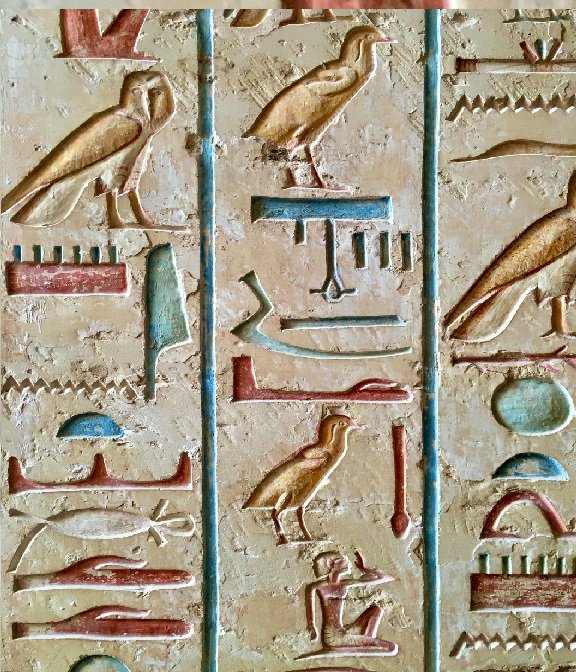
Introduction: Egyptian civilization has fascinated people around the world for centuries. From the grand pyramids to the enigmatic hieroglyphics, Egypt has left an indelible mark on history. Among the many aspects that make ancient Egypt so captivating is the striking use of colors, particularly in the attire and regalia of the pharaohs. In this blog post, we will delve into the significance of colors in the history of Egyptian pharaohs, offering a glimpse into the vibrant world of ancient Egypt. Color Symbolism in Egyptian Culture: Color held great importance in ancient Egyptian culture, and it was often linked to symbolism and religious beliefs. Each color had its distinct meaning, reflecting the ideals and values of the pharaohs and their divine connection. 1. Blue: Blue was associated with water and the Nile, the life-giving source of Egypt's fertility. Pharaohs often donned ceremonial blue crowns or used blue pigments in their regal headdresses, symbolizing their divine rule over the land's abundance. 2. Red: The color red signified vitality and power. Pharaohs wore red attire during ceremonies and military campaigns to portray their authority and prowess. The red pigment was also used in religious rituals, representing the fire of the sun god, Ra. 3. White: White was the color of purity and was often worn by the pharaohs in their ceremonial robes. It symbolized their divine nature and connection to the gods. White was commonly used in funerary contexts, depicting a clean and holy ascension to the afterlife. 4. Yellow/Gold: Yellow and gold were extensively used in Egyptian art and clothing. These colors were associated with the sun god, Ra, and represented eternal life and royalty. The pharaohs' golden crowns and jewelry conveyed their divine status as the intermediaries between the gods and their people. 5. Green: Green was linked to the rebirth and fertility of the land. The pharaohs often wore green amulets or jewelry, symbolizing their connection to nature and their role as protectors of the harvest and prosperity. Preserving Colors in Ancient Egypt: The longevity of the vibrant colors used by the ancient Egyptians is astounding. It is a testament to their advanced techniques in pigment production and preservation. Egyptian artisans employed a wide range of natural resources to create their pigments, including minerals, plants, and even semi-precious stones. These pigments were mixed with a binding agent, such as egg or gum Arabic, to create a durable paint that could withstand the test of time. Conclusion: The colors of ancient Egyptian pharaohs served a dual purpose. They were not only aesthetically pleasing but also held deep symbolic meanings. The vibrant hues were a language of their own, speaking of a rich and complex civilization deeply ingrained in religious beliefs and cultural values. Today, these bold and striking colors continue to captivate us as we explore the fascinating history and legacy of the mighty pharaohs of ancient Egypt. also for more http://www.colorsshow.com For an in-depth examination, refer to http://www.tocairo.com


