Colors in Ancient Egyptian Cultures and Traditions
Category : |
Sub Category : Posted on 2023-10-30 21:24:53
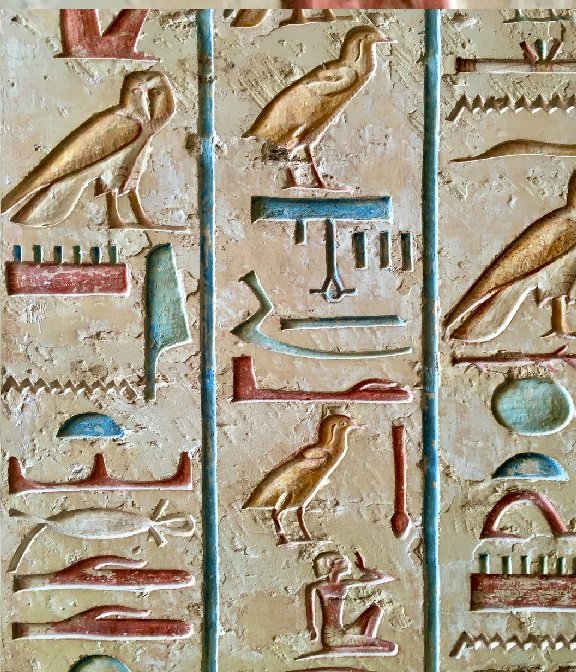
Introduction: Colors have always played an essential role in human culture and history. The vibrant shades and in-depth meanings associated with different colors can be seen across various civilizations, including the ancient Egyptians. In this article, we will dive into the significance of colors in Egyptian cultures and traditions, understanding how they shaped the daily lives and beliefs of this magnificent civilization. 1. Blue - The Color of the Nile: One cannot discuss colors in ancient Egypt without mentioning the deep blue color, symbolizing the Nile River. The Nile was vital to the Egyptian civilization, providing nourishment and sustenance for agriculture. The river's rich blue waters were associated with prosperity and new beginnings, reflecting the cycle of life. Blue was also representative of the sky and was often used in depictions of deities, such as Amun and Osiris. 2. Red - The Color of Life and Vitality: Red held immense symbolic importance in ancient Egyptian cultures. It represented life, energy, and vitality. The Egyptians believed that red was the color of the life force and used it during celebrations and rituals to evoke passion and excitement. The color was closely associated with the sun and the powerful god, Ra. Red pigments were often used in hieroglyphics to highlight important words or titles. 3. Yellow - The Sacred Color of the Sun: Yellow was another significant color in Egyptian cultures as it represented the sun the central deity in their pantheon. The Egyptians associated yellow with hope, light, and regeneration. The sun was considered the giver of life, providing warmth and energy to the earth. The color was often utilized in temples and tombs to depict sun gods like Ra and Amun-Ra. Yellow pigments were also used for jewelry, statues, and ceremonial objects. 4. Green - The Color of Fertility and Rebirth: Green symbolized fertility, growth, and regeneration in ancient Egypt. It represented the flourishing vegetation along the banks of the Nile after its annual flood. The Egyptians believed that green was a symbol of rebirth, renewal, and eternal life. They often incorporated greenery and plants in their rituals and ceremonies to honor Osiris, the god of the dead and the afterlife. 5. White - The Color of Purity and Transcendence: White held a special place in ancient Egyptian cultures, representing purity, cleanliness, and transcendence. It was associated with the goddess Isis and was considered a color of spiritual transformation. The color white was frequently used in religious rituals, funerary practices, and to depict ancient gods and goddesses. White was also the predominant color for mummification wrappings, signifying purity and preparing the deceased for the afterlife. Conclusion: Colors played an integral role in ancient Egyptian cultures and traditions, heightening the aesthetic and conveying profound meanings to the civilization. Whether it was the deep blue of the Nile, vibrant red symbolizing vitality, the sacred yellow of the sun, the lush green associated with fertility, or the pure white representing transcendence, each color held a significant place in the daily lives and beliefs of the ancient Egyptians. Exploring the rich symbolism of colors in Egyptian culture provides us with a deeper understanding of their fascinating civilization. To gain a holistic understanding, refer to http://www.colorsshow.com For a different angle, consider what the following has to say. http://www.culturepolitics.com For more info http://www.mimidate.com


