Unraveling the Vibrant Colors of Ancient Egyptian Hieroglyphs
Category : |
Sub Category : Posted on 2023-10-30 21:24:53
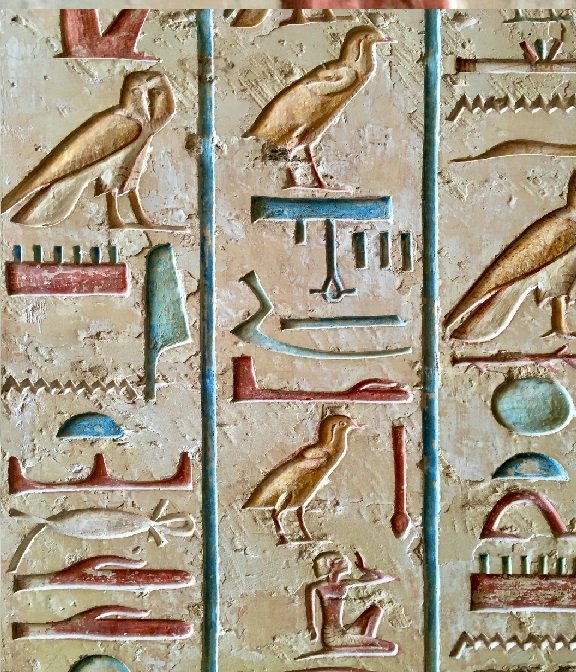
Introduction: The ancient Egyptian civilization has long captured the imagination of people worldwide, with its awe-inspiring pyramids, mysterious pharaohs, and captivating hieroglyphic script. One aspect that often gets overlooked, however, is the vibrant and vivid colors used in their hieroglyphs. In this article, we will delve into the world of colors in ancient Egyptian hieroglyphs, exploring their significance and the materials used to create these marvelous works of art. 1. The Role of Colors in Ancient Egyptian Hieroglyphs: Colors played a crucial role in conveying meaning and symbolism in ancient Egyptian hieroglyphs. Each color had its significance, and its usage helped to bring the message or story depicted on the walls of temples, tombs, and monuments to life. Understanding the meaning behind these colors gives us invaluable insights into the beliefs and cultural values of the ancient Egyptians. 2. Materials Used in Creating Color Pigments: To achieve such vibrant hues, the ancient Egyptians relied on a variety of natural materials for pigment production. They utilized minerals, plants, and animal extracts to create a wide range of colors. Minerals such as malachite, a green copper carbonate, provided vibrant greens, while hematite, an iron oxide, produced reds and browns. For yellows, they used substances like orpiment, an arsenic sulfide mineral, and for blues, they turned to imported lapis lazuli. 3. Symbolism Behind Colors: Each color used in Egyptian hieroglyphs carried its symbolic meaning. For instance, red represented life and vitality and was often used to depict people or gods. Yellow and gold symbolized eternity and the indestructible nature of the divine. Blue was associated with the heavens and the Nile, representing fertility and rebirth. Green signified new life and growth, particularly related to vegetation and agriculture. 4. Color Preservation: It is remarkable that many of these ancient colors have managed to withstand the test of time. Thousands of years of exposure to light and other elements have faded some colors, but there are still instances where their original vibrancy can be seen. One famous example is the tomb of Nefertari in the Valley of the Queens, where the vibrant blues of the sky goddess Nut's skin and the deep reds of the god Osiris' body are still strikingly vivid. Conclusion: The colors used in ancient Egyptian hieroglyphs bring a visual richness and depth to the already fascinating stories and legends of this ancient civilization. These vibrant hues, carefully crafted using natural materials, enlivened the messages and narratives depicted in temples and tombs. By understanding the symbolism and materials behind these colors, we gain a deeper appreciation for the artistry and cultural significance preserved in these remarkable ancient works. Check the link below: http://www.colorsshow.com For more info http://www.tocairo.com


