Unveiling the Vibrant Color Trends of Ancient Egyptian Pharaohs
Category : |
Sub Category : Posted on 2023-10-30 21:24:53
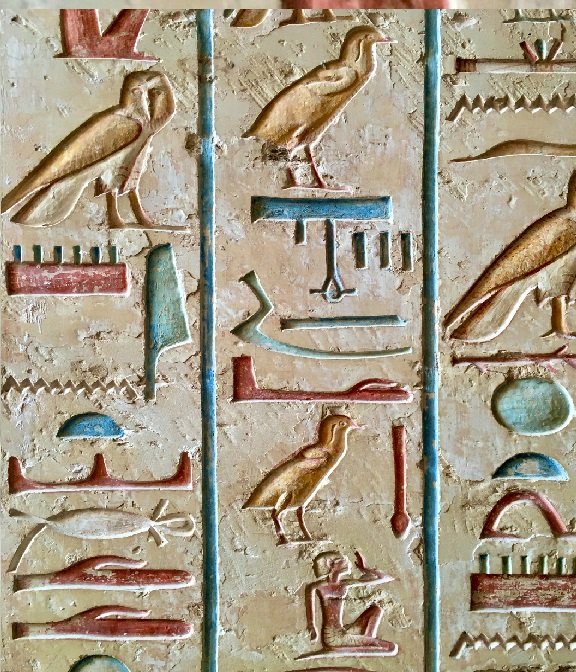
Introduction: The ancient Egyptian civilization continues to captivate us with its rich history, exceptional artistry, and remarkable architectural feats. The legacy of the pharaohs, in particular, stands as a testament to their opulence and grandeur. One aspect that often gets overlooked is their profound use of vibrant colors. In this blog post, we will explore the captivating color trends of ancient Egyptian pharaohs and unravel the symbolism behind each hue. 1. Egyptian Blue: The Color of Divinity No discussion about the color trends of ancient Egypt can begin without mentioning the iconic Egyptian Blue. Synthesized by the Egyptians around 2500 BCE, this vibrant hue held tremendous spiritual significance. Often associated with the sky and the Nile River, Egyptian Blue was believed to represent divinity. It adorned temple walls, sculptures, and even the tombs of pharaohs, adding an ethereal touch to the Egyptian landscape. 2. Regal Red: A Symbol of Power and Life Red held immense importance in Egyptian culture, symbolizing power and vitality. In ancient Egyptian art, this passionate color was frequently used to depict pharaohs and deities. Red pigments were derived from natural sources like iron oxide and red ochre, which added intensity and vibrancy to their majestic palaces and temples. 3. Glorious Gold: The Ultimate Symbol of Royalty Gold, synonymous with wealth and royalty, was highly revered in ancient Egypt. The pharaohs, considered divine rulers, adorned themselves and their monuments with this precious metal. From ornate headdresses to intricate jewelry, gold accents exuded a sense of grandeur and magnificence. Its lustrous quality also symbolized the eternal nature of the pharaohs' reign. 4. Exquisite Emerald Green: The Color of Fertility and Rebirth Emerald green played a significant role in ancient Egyptian art and fashion. Associated with nature and fertility, this lush hue was prominently featured in paintings, jewelry, and decorative objects. It signified the regeneration and renewal of life, emphasizing the importance of agriculture in their society. The captivating color, reminiscent of verdant landscapes, added a refreshing touch to their visual aesthetic. 5. Mysterious Black: The Color of Death and the Afterlife Black, often associated with mystery and the unknown, was a prevalent color in ancient Egyptian culture. Symbolizing death and the afterlife, it represented the fertile soil along the Nile that gave life to their civilization. The god of the underworld, Osiris, was often depicted with jet-black skin, conveying his association with both death and regeneration. Conclusion: The ancient Egyptian pharaohs left an indelible mark on history, not only with their architectural marvels and monumental tombs but also through their bold and vibrant use of color. From the sacred Egyptian Blue to the regal Red, each hue had a symbolic meaning that encompassed their beliefs and worldview. These color trends not only added splendor to their palaces and temples but also reflected the spiritual and societal essence of ancient Egypt. Exploring the world of ancient Egyptian color trends offers us a fascinating glimpse into a civilization that continuously inspires and fascinates us to this day. For a comprehensive overview, don't miss: http://www.colorsshow.com Want to know more? Don't forget to read: http://www.tocairo.com


