Unearthing the Colors of Ancient Egyptian Hieroglyphs: A Glimpse into their Meaning and Significance
Category : |
Sub Category : Posted on 2023-10-30 21:24:53
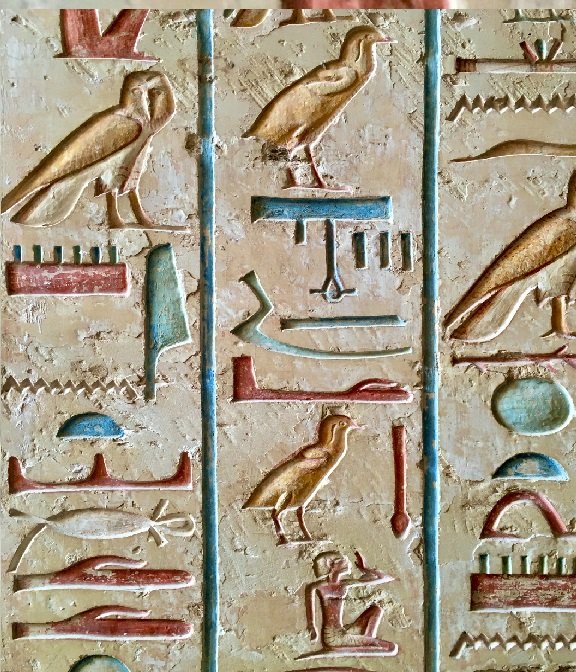
Introduction: Ancient Egypt is known for its captivating culture, timeless architecture, and enigmatic hieroglyphs. Amongst the many wonders of this ancient civilization, one aspect that often goes unnoticed is the vivid and meaningful color palette used in their iconic hieroglyphs. In this blog post, we'll delve into the color trends of ancient Egyptian hieroglyphs and uncover the hidden symbolism that lies within. 1. Red: The Color of Power and Life Red holds deep symbolism in ancient Egyptian culture. In hieroglyphs, red was used to depict powerful deities, such as the sun god Ra or the goddess Isis. It represented strength, energy, and the life force itself. The color red also symbolized the desert, a dominant feature of Egypt's geography, signifying both danger and vitality. 2. Blue: The Color of Royalty and Divinity Blue was associated with royalty and the divine in ancient Egypt. Often used to depict gods and goddesses, this color represented heavenly realms and eternal life. Hieroglyphs showcasing the Nile, the lifeblood of Egypt, used shades of blue to signify its importance and link it with fertility and abundance. 3. Yellow: The Radiant Sun and Immortality Yellow was closely associated with the sun, which held great significance in ancient Egyptian culture. This vibrant color represented warmth, light, and the eternal cycle of life. Hieroglyphs featuring the sun, solar deities, or celestial phenomena were adorned with yellow hues, symbolizing immortality and rejuvenation. 4. Green: Fertility and Growth Green, the color of the lush Nile Valley, represented fertility, growth, and regeneration. Hieroglyphs using green pigments depicted vegetation, plants, and natural scenes associated with abundance. The color was also linked to Osiris, the god of the afterlife, symbolizing eternal renewal and rebirth. 5. Black: The Mystery of the Afterlife Black might be considered a color of darkness, but in ancient Egyptian hieroglyphs, it was rich with significance. Black represented the fertile and rejuvenating silt deposited by the Nile during flood seasons, which provided essential nutrients for crops. Moreover, black was used to depict the ancient Egyptian underworld, or the land of the dead, emphasizing the concept of rebirth and the cyclic nature of life. Conclusion: The color trends found in ancient Egyptian hieroglyphs provide us with valuable insights into the symbolism and cultural significance of this ancient civilization. Each color had a specific meaning and was purposefully chosen to convey important aspects of their belief system, societal values, and connection to the natural world. By understanding the color palette of hieroglyphs, we gain a deeper appreciation for the complexity and beauty of ancient Egyptian art and culture. Whether it was the vibrant red representing power, the majestic blue symbolizing divinity, or the verdant green representing growth, colors played a vital role in bringing these ancient symbols to life. Next time you come across a hieroglyphic panel, take a moment to appreciate the colors and the profound meaning they holda testament to the creativity and symbolism of the ancient Egyptians. Discover new insights by reading http://www.colorsshow.com also this link is for more information http://www.tocairo.com


