Unraveling the Mystery of Pyramids: China vs Giza, Egypt
Category : |
Sub Category : Posted on 2023-10-30 21:24:53
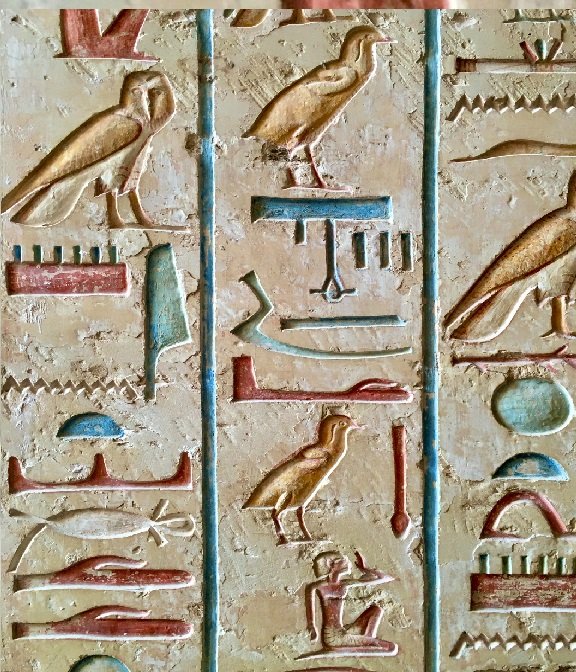
Introduction: Pyramids have long captured the fascination and curiosity of humankind. Ancient marvels shrouded in mystery and symbolism, pyramids exist in various parts of the world. Among the most renowned are the pyramids of Giza in Egypt, and lesser-known but equally intriguing, the pyramids of China. In this blog, we delve into the unique characteristics of these architectural wonders, exploring the similarities and differences between China's pyramids and those in Giza, Egypt. 1. The Pyramid of Giza, Egypt: One cannot discuss pyramids without mentioning the iconic structures that rise from the sands of Egypt. The Great Pyramid of Giza, built during the reign of Pharaoh Khufu around 2550 BC, is the oldest and largest of the pyramids in the Giza complex. Its precise construction and alignment have baffled experts for centuries. The pyramids served as tombs for the pharaohs, housing their mummified bodies and cherished possessions for the afterlife. 2. The Pyramids of China: Despite the prominence of Egyptian pyramids, China also boasts its own pyramid complexes. The most famous among them are the pyramids of Xi'an, located in Shaanxi Province. Lying on the outskirts of the city, these pyramids date back to the Tang Dynasty (618-907 AD). Historians believe that they served as tombs for Chinese emperors. 3. Architectural Differences: The Chinese pyramids exhibit distinctive architectural styles differing from their Egyptian counterparts. While the Egyptian pyramids feature smooth, angled sides, China's pyramids display stepped terraces, giving them a pyramid-like appearance. Additionally, the Chinese pyramids tend to have flattened tops, unlike the pointed apex of the Egyptian pyramids. These architectural disparities reflect the varying cultural and historical contexts in which they were built. 4. Size and Scale: The pyramids of Egypt are unparalleled in size and scale, with the Great Pyramid of Giza standing approximately 138 meters tall. In comparison, the pyramids of China are relatively smaller, with the largest measuring around 76 meters in height. Despite their varying dimensions, both Egypt and China's pyramids serve as symbols of power, wealth, and divine connection. 5. Controversies and Speculations: Just like their Egyptian counterparts, the Chinese pyramids are not without their fair share of controversies and intrigues. Legends and theories abound regarding the pyramids' origins and purposes. Some suggest that extraterrestrial contact or advanced ancient civilizations played a role in the construction, fueling endless debates and speculation. Others attribute their existence to the ancient Chinese practice of feng shui, incorporating geomantic principles into their positioning and design. Conclusion: While the Egyptian pyramids of Giza claim global fame, the lesser-known pyramids of China add a fascinating twist to the narrative of ancient human civilizations. Whether in Egypt or China, these pyramids stand as testaments to the ingenuity and engineering prowess of our ancestors. Exploring the similarities and differences between these two sets of pyramids deepens our understanding of ancient cultures and their monumental achievements. As we continue to unravel the mysteries encasing these structures, the pyramids of Giza and China remain awe-inspiring reminders of our collective history. Want to know more? Don't forget to read: http://www.soitsyou.com Visit the following website http://www.tocairo.com


