Decoding the Enigmatic Beauty of Ancient Egyptian Hieroglyphs
Category : |
Sub Category : Posted on 2023-10-30 21:24:53
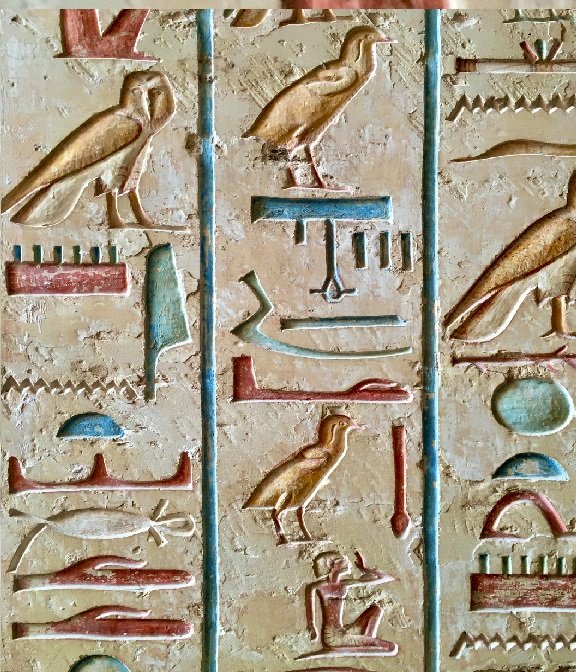
Introduction: The ancient Egyptians left behind a remarkable legacy: the hieroglyphs. These intricate symbols were the writing system of their civilization, believed to be one of the oldest recorded alphabets in the world. Today, they continue to capture the imagination of historians, linguists, and travelers alike. In this blog post, we will explore the captivating world of ancient Egyptian hieroglyphs - their origins, significance, and the ongoing efforts to decode their secrets. 1. Origins of Hieroglyphs: Hieroglyphs first appeared around 3200 BCE during the Early Dynastic Period of ancient Egypt. The ancient Egyptians used hieroglyphs to record important events, religious beliefs, and administrative matters. Initially, hieroglyphs were primarily used in monumental inscriptions and were carved into stone walls, obelisks, and tombs. Over time, the writing system evolved to include hieratic and demotic scripts, simplified versions of hieroglyphs used for everyday purposes. 2. Understanding Hieroglyphs: Deciphering hieroglyphs was a long-standing mystery until the discovery of the Rosetta Stone in 1799. This ancient artifact, inscribed with a decree in three scripts - hieroglyphs, demotic, and Greek - provided the key to unlocking the secrets of hieroglyphic writing. The breakthrough came when French scholar Jean-Francois Champollion successfully deciphered the hieroglyphic script, opening the doors to understanding ancient Egyptian texts. Hieroglyphs could be read from left to right, right to left, or top to bottom, depending on the direction the glyphs were facing. The intricate symbols represented ideas, syllables, and even whole words. They encompassed a wide range of topics, including Egyptian gods, daily life, nature, and historical events. 3. Significance and Symbolism: Hieroglyphs were more than just a tool for communication; they were laden with symbolism and religious significance. For the ancient Egyptians, hieroglyphs were a means of connecting with their gods and the afterlife. The writing system was considered sacred, and scribes were highly respected individuals. Through hieroglyphs, the Egyptians sought to immortalize their beliefs, history, and traditions. 4. Ongoing Research and Discoveries: The study of hieroglyphs continues to fascinate scholars worldwide. Ongoing research and discoveries shed new light on this ancient writing system. With advances in technology, researchers are able to explore and analyze previously unreadable texts. Digital reconstructions, linguistic analysis, and multidisciplinary collaborations have revolutionized our understanding of hieroglyphic writing, uncovering hidden meanings and filling in the gaps of ancient history. Conclusion: The allure of ancient Egyptian hieroglyphs lies in their enigmatic beauty and historical importance. These ancient symbols, once considered undecipherable, now reveal invaluable insights into the rich culture and beliefs of the ancient Egyptians. The ongoing efforts to study and decode hieroglyphs contribute to preserving this ancient legacy and ensuring that future generations can appreciate the magnificence of this timeless writing system. As we continue to unravel the secrets of hieroglyphs, we gain a deeper appreciation for the wisdom and brilliance of the ancient Egyptians. For an extensive perspective, read http://www.onlinebanat.com For an in-depth examination, refer to http://www.tocairo.com


